Corrective Care with Chiropractic BioPhysics (CBP)
Restore Optimal Spinal Alignment & Posture
While initial relief care alleviates pain and improves mobility, symptoms often recur without addressing underlying structural abnormalities in spinal alignment and posture.
Corrective care via Chiropractic BioPhysics (CBP) – the most researched corrective chiropractic technique – focuses on rehabilitating the spine toward normal alignment using evidence-based protocols.
CBP Corrective Approach
Mirror-Image Adjustments – Precise, opposite-position adjustments to counter abnormal posture.
Customized Exercises – Mirror-image stretches and strengthening to remodel tissues.
Spinal Traction – Extension/compression devices to restore natural curves.
This intensive phase follows relief care, typically involving frequent visits over weeks to months, with progress tracked via x-rays and posture assessments.
Proven Benefits
Long-term pain reduction (75-80% improvement in chronic cases)
Corrected posture and spinal curves
Enhanced nerve function and overall health
Reduced recurrence of symptoms
Experience lasting structural correction backed by over 300 peer-reviewed studies.
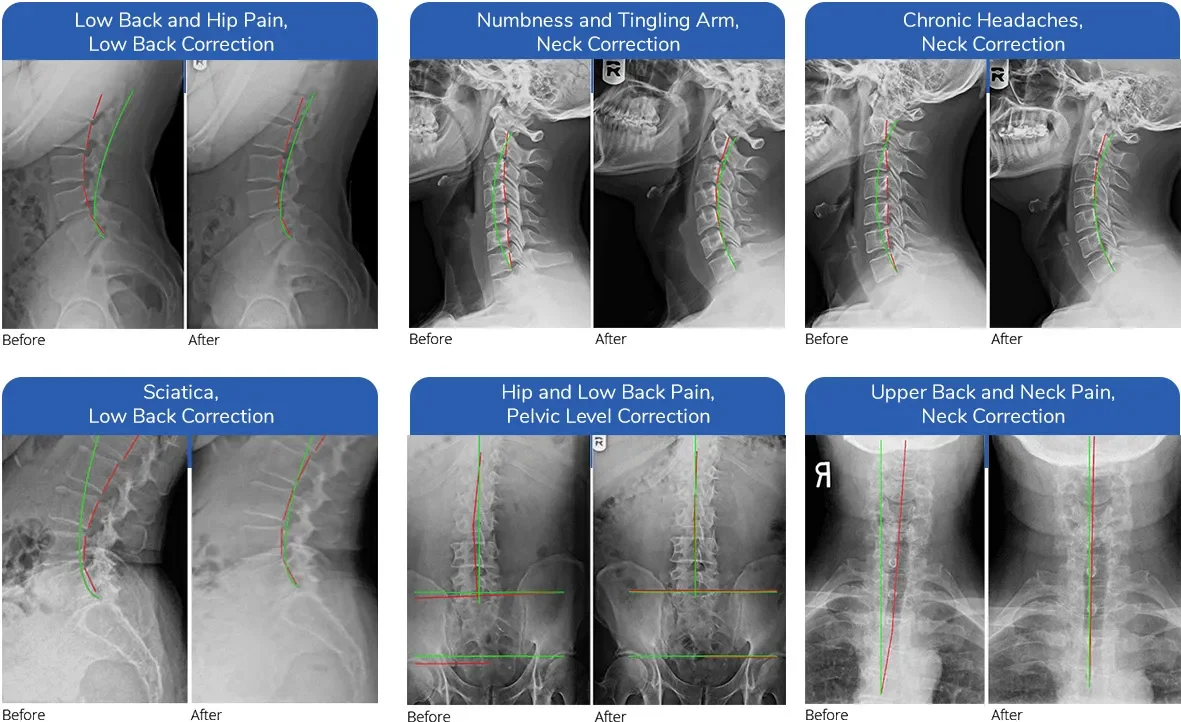
Corrective Care Chiropractic represents a paradigm shift in spinal health management. This methodology diverges from traditional chiropractic practices by emphasizing long-term structural correction rather than solely focusing on symptomatic relief.
The objective is to address the underlying etiology of spinal dysfunction, promoting sustainable alignment, function, and overall health improvements.
Clinical observations have demonstrated that this approach can significantly enhance spinal structure and function, potentially mitigating future complications
What is Corrective Chiropractic Care?
Corrective Chiropractic Care is a specialized branch of chiropractic medicine that employs advanced techniques to address structural abnormalities of the spine. Unlike conventional approaches that may prioritize immediate pain relief, corrective care aims to restore optimal spinal alignment and function through targeted interventions.
The Goals of Corrective Care
Structural Correction: The primary objective is to achieve long-term improvements in spinal alignment, addressing issues such as abnormal curvatures or misalignments.
Functional Optimization: Correcting structural abnormalities aims to enhance neurological function and improve overall physiological performance.
Holistic Health Promotion: Corrective care adopts a comprehensive approach, recognizing the interconnectedness of spinal health with overall well-being.
Corrective vs. Traditional Chiropractic Care: A Comparative Analysis
Focus on Structural Correction
Traditional Chiropractic Care:
Primarily emphasizes symptomatic relief
May provide short-term pain reduction
Often does not address underlying structural abnormalities
Corrective Chiropractic Care:
Targets the root cause of spinal dysfunction
Aims for long-term improvements in spinal health
Utilizes advanced diagnostic and treatment modalities to correct structural issues
Long-Term vs. Short-Term Outcomes
Traditional Care:
May provide immediate symptomatic relief
Often requires frequent maintenance visits
Corrective Care:
Focuses on sustainable, long-term improvements in spinal structure and function
May require more intensive initial treatment, but with the potential for lasting results
The Benefits of Corrective Chiropractic Care
Improved Spinal Alignment
Corrective care aims to achieve measurable improvements in spinal alignment, which can lead to:
Reduction in chronic back and neck pain
Enhanced postural stability
Improved balance and proprioception
Notably, some studies have reported improvements in spinal curvature of 30-40% following corrective chiropractic interventions, although individual results may vary.
Enhanced Neurological Function
By addressing spinal misalignments, corrective care may positively impact the nervous system:
Potential improvements in organ function due to enhanced neural communication
Reported enhancements in sleep quality
Possible modulation of immune system response
Phases of Corrective Chiropractic Care
Initial Intensive Care
This phase involves comprehensive assessment and frequent interventions:
Thorough clinical evaluation, including advanced imaging when indicated
High-frequency adjustments to initiate structural changes
Introduction of targeted therapeutic exercises
Rehabilitative Care
As initial progress is achieved, the focus shifts to stabilization:
Gradual reduction in adjustment frequency
Increased emphasis on active rehabilitation exercises
Progressive improvements in stability and function
Maintenance Care
The final phase aims to sustain the achieved improvements:
Periodic re-evaluations to monitor spinal health
Continued focus on self-management strategies
Proactive addressing of any emerging issues
Standard Techniques in Corrective Chiropractic Care
Spinal Adjustments
While a cornerstone of chiropractic care, these manipulations are precisely targeted to address specific structural abnormalities in the corrective model.
Potential benefits include:
Enhanced joint mobility
Reduction in neural irritation
Normalization of muscle tone
Therapeutic Exercises
Active rehabilitation is crucial for long-term success:
Customized stretching protocols
Progressive strengthening exercises
Proprioceptive training
Postural Re-education
Addressing habitual postural dysfunctions is essential:
Ergonomic modifications for occupational and daily activities
Exercises targeting postural muscle groups
Techniques to enhance postural awareness
Frequently Asked Questions
Is corrective chiropractic care suitable for everyone?
While corrective chiropractic care benefits many, it may not be appropriate for everyone. Conditions like osteoporosis, some neurological disorders, or recent spinal surgery may disqualify treatment. A thorough evaluation by a qualified chiropractor is necessary to determine eligibility.
What are the potential side effects of corrective chiropractic care?
Most patients experience minimal discomfort or side effects following chiropractic adjustments. Temporary soreness or stiffness is joint but usually resolves within a few days. However, severe complications are rare. It’s essential to communicate any concerns with your chiropractor.
How much does corrective chiropractic care cost?
The cost of corrective chiropractic care varies. It depends on the treatment plan, the number of visits, and the location. Many chiropractic clinics offer payment plans or accept insurance. Contact your insurance provider. Find out about coverage and payment options with the chiropractor.
How long does it take to see results from corrective chiropractic care?
Treatment duration varies. It depends on the condition, spinal misalignment, and health. Some patients feel better right away. But, it often takes weeks or months of consistent care for significant improvements. Regular check-ups and following the treatment plan are vital for the best results.
Can corrective chiropractic care help prevent future spinal problems?
Yes, corrective chiropractic care plays a vital role in preventing future spinal issues. It reduces the risk of recurring pain and stiffness. It does this by fixing structural imbalances and promoting proper spinal alignment. Regular chiropractic care and daily preventive measures can help spinal health in the long term.